Have you ever finished a workout drenched in sweat, wiped the floor afterward, and thought:
“Wow… I must’ve burned a ton of calories.”
You’re not alone.
Most people judge a “good” workout by how hard they’re breathing, how high their heart rate gets, and—most importantly—how much they sweat. And on the surface, that makes sense.
But here’s the truth: sweat is not a measure of fat loss.
Sweat is simply your body’s way of cooling itself down. That’s it.
How much you sweat can be influenced by a lot of things—genetics, hydration, hormones, sugar intake, stress levels, and even how well you slept the night before. Two people can do the exact same workout and have completely different sweat responses.
Yes, sweating feels rewarding. And sometimes that feeling alone is enough to keep you consistent. But when it comes to fat loss, it’s not the factor that matters most.
So what actually drives fat loss?
Here’s where most people are surprised: cardio alone is not the most effective way to burn fat.
Cardio-based workouts primarily burn calories during the session. Once you’re done, the calorie burn mostly stops.
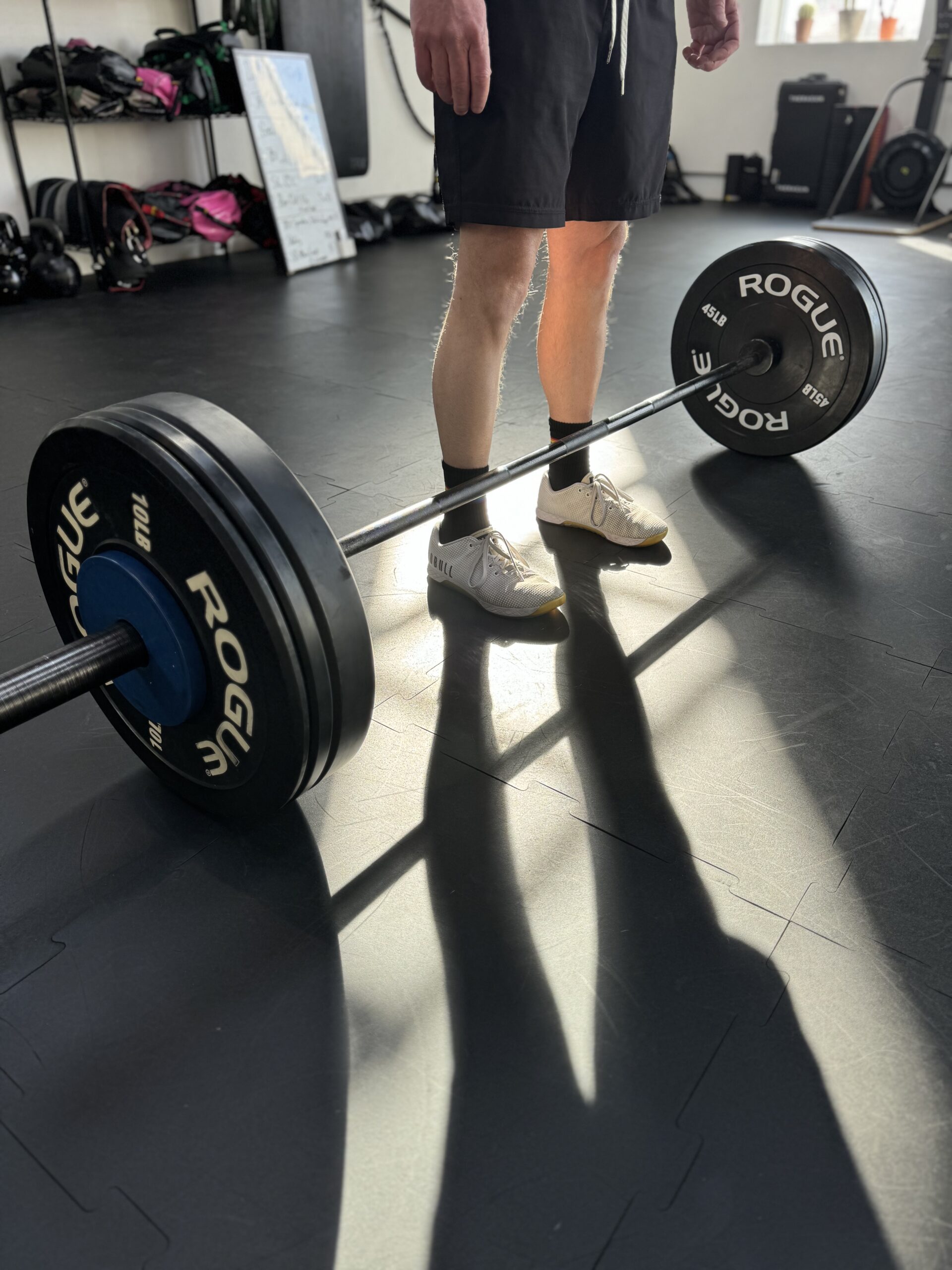
Resistance training—lifting weights or using your bodyweight—works differently.
When you strength train, you create small amounts of muscle damage. Your body then has to repair that tissue, which requires energy (calories) long after the workout ends. This process is called EPOC (Excess Post-Exercise Oxygen Consumption).
In simple terms:
👉 You keep burning calories for up to 24 hours after a resistance training session.
That’s a much bigger return on your time.
Muscle = higher metabolism
There’s another major benefit to resistance training: more muscle increases your basal metabolic rate.
Your basal metabolic rate is the number of calories your body needs just to function—breathing, circulating blood, keeping you alive.
Someone with more muscle requires more calories every single day, even at rest. That means:
- More muscle = higher daily calorie burn
- Less muscle = lower daily calorie burn
You don’t have to work harder forever—you let your body do more of the work for you.
Does that mean cardio is useless?
Not at all.
The most effective approach for improving body composition is a balance of resistance training and steady-state cardio, paired with proper nutrition and recovery.
But if your main goal is fat loss, relying solely on sweaty, high-intensity or “hot” workouts isn’t the answer.
The takeaway
If fat loss is your goal, prioritize:
- Lifting weights or resistance training
- Using your own bodyweight with intention
- Building muscle, not just burning calories
Sweat can feel satisfying—but muscle is what changes your body.
Nutrition? That’s a conversation for another day.
Want to start losing fat and build muscle? Start here